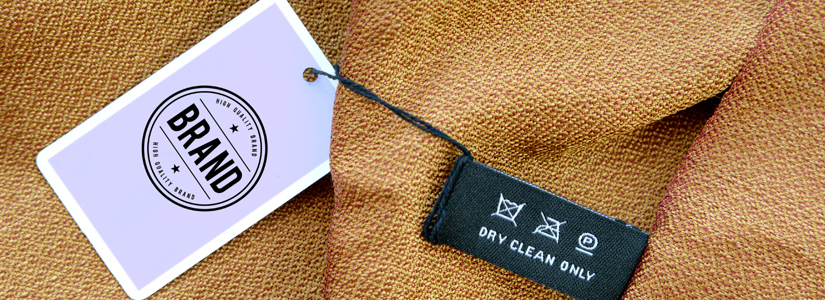
Private Label vs White Label Clothing: Which Model Fits Your Brand?
Pick white label if you want to test a brand fast with almost no inventory risk. Pick private label if you want garments built around your fabric, fit and labels, and you can commit to a minimum order. White label means putting your logo on a blank that another company already made. Private label means a factory makes the garment for your brand and only your brand. A private label clothing manufacturer costs more upfront, but it is the route that gives you a product no competitor can order tomorrow.
Here is the rule of thumb we give founders: white label sells your branding; private label sells your product. If you have an audience but no proven demand, start with white label. If you already know what your customers want and have a point of view on fit or fabric, private label is where margin and loyalty are built. If you need an original silhouette, you are really looking at custom cut and sew, and we compare all three below.
At The Apparel Partner we work with brands in the USA and the UK, so the questions in this guide are the ones founders ask at sampling stage, not the ones that look good in a glossary.
What white label and private label actually mean
White label clothing is made from ready-to-sell blanks supplied by a third-party manufacturer. You add a logo, print or tag and sell it as yours. Printify describes it as branding existing garments; you control appearance and distribution, not how the garment is made. The same blank is available to any other seller.
Private label clothing is apparel manufactured by a third-party factory and sold under your brand name. Maker’s Row lists what you can usually customise: fabric weight and colour, fit adjustments, woven labels, hangtags and packaging. The factory often starts from a base garment it already produces, then adapts it.
A caution from experience: these terms are not used consistently. Some sites call any blank-with-your-logo order “private label”, and some factories sell a catalogue block as “white label”. Before you compare quotes, ask each supplier three things: who owns the pattern, whether another brand can buy the same garment, and what you are allowed to change. The answers matter more than the label on the proposal.
Related terms you will see in searches: blank apparel, relabeling, base garment, tech pack and store brand. Retailers use “private label” for their own house brands too. That market is large (US private label sales hit a record $282.8 billion in 2025, per Circana data released by PLMA), but those figures cover mostly groceries and household goods, not apparel, so treat them as context, not a clothing benchmark.
Private label vs white label vs custom cut and sew at a glance
| Factor | White label | Private label | Custom cut and sew |
| What you get | Existing blank, your logo or print | Factory base garment, adapted to your specs | Product built from scratch |
| Customisation | Print, logo, tags | Fabric, fit tweaks, labels, packaging | Full: pattern, fabric, trims |
| Typical MOQ | None to very low (print on demand) | 50–300 units per style; some start at 25 | 300–1,500+ units |
| Upfront cost | Lowest | Moderate | Highest |
| Speed to market | Fastest | 30–90 days faster than cut and sew | 60–120+ days before production begins |
| Exclusivity | Low: competitors can buy the same blank | Medium to high | Highest |
| Best for | Testing a niche or audience | Brands with proven demand | Brands with an original design point of view |
Cost, minimum orders and control: where the two models split
Is private label cheaper than white label? Per piece, not usually. White label has no minimum and no inventory, so your first order costs less. Private label costs more to start but gives you room to improve per-unit economics as volumes grow. Maker’s Row puts private label basics (tees, hoodies, joggers) at roughly 12–45 per unit depending on fabric weight, customisation and quantity, with branding extras such as woven labels, hangtags and custom packaging adding 0.50–3.00 per unit. Higher quantities generally lower the unit price.
The minimum order trap. The same source warns that an MOQ often applies per colourway, not just per style, which can triple your commitment. Two styles in three colours at 100 units each is 600 pieces, not 200. Ask every supplier how its minimum is counted before you compare prices.
Who controls what? With white label you control branding, pricing and presentation, but not fit, fabric or construction, and quality control sits with the blank supplier. With private label you can direct fabric and fit, own your labels and packaging, and adjust the product from customer feedback. Maker’s Row suggests a base garment should cover roughly 70–80% of what you want; if you need more than that, move to cut and sew.
Margins. Sources agree private label allows higher margins because you set prices on a more distinctive product, but none publish a reliable percentage, so we will not quote one. Work it out from your own landed cost and target retail price.
How to choose the right model for your brand
1. Decide what you are validating
If the question is “will anyone buy this?”, use white label. If it is “will they buy my version of this?”, you need private label.
2. Count your cash, not just your ambition
Private label ties money up in inventory. Multiply units per style by colourways by unit cost, and check you can fund it without starving marketing.
3. Test the base garment
Order a sample of the factory’s block before you commit. Check fabric, stitching and fit against your own favourite piece.
4. Write it down
Send a spec sheet covering fabric, measurements, labels and packaging. Written specs and an approved production sample prevent most fit disputes.
5. Plan your exit to cut and sew
If the base garment limits you, choose a partner who can also develop custom patterns later, so you do not have to start over.
Private label readiness checklist
- You have a clear customer and a price point
- You can fund the full MOQ, counted per colourway
- You have approved a fabric swatch and a sample
- Labels, hangtags and packaging are designed
- You know who owns the pattern and whether it is exclusive to you
- Lead time fits your launch or season date
- You have a plan to sell the stock, not just make it
Case study: 400 units that sold out in six weeks
Maker’s Row describes a private label brand that tested the market small: 150 units per style in two colourways, delivered in nine weeks. The first run worked. A later order of 400 units sold out in six weeks, and the brand used that proof to move into cut and sew, where it could build its own fit.
What it shows: private label was not the destination, it was the cheapest way to earn the right to invest in custom development. The brand risked a few hundred units, not a full tooling budget, and let sell-through decide the next step.
Caveat: The takeaway for your brand is the sequence: validate with a small private label run, then spend on custom patterns only once the numbers justify it.
Conclusion
White label is the fast, low-risk way to find out whether people want what you are selling. Private label is the way to make it yours: your fabric, your fit, your labels, and a garment competitors cannot simply reorder. Neither is better in the abstract. The right choice depends on how much demand you have proven and how much inventory you can carry. Many brands use both in sequence, then graduate to cut and sew. Whatever you choose, get ownership, exclusivity and minimums in writing before you pay a deposit.
Frequently asked questions
What is the difference between private label and white label clothing?
White label is a ready-made blank with your logo added, sold to many brands. Private label is made by a factory for your brand, with customisable fabric, fit and labels. White label is faster and cheaper to start; private label is more distinctive.
Is private label clothing cheaper than white label?
Usually no per piece. White label has lower upfront cost and no minimums. Private label needs an MOQ, commonly 50–300 units per style, but offers more room to improve margins at volume.
Can I sell white label clothing under my own brand?
Yes. That is the point of white label: your branding goes on an existing blank. You control the label, pricing and marketing, but not the cut or fabric, and competitors can buy the same garment.
What is the minimum order for a private label clothing manufacturer?
Most US private label manufacturers work with 50–300 units per style, and some small-batch specialists start at 25. Check whether the minimum applies per colourway, since that can multiply your total.
Should I choose private label or custom cut and sew?
Choose private label if a base garment covers about 70–80% of your vision. Choose cut and sew for an original silhouette, accepting higher MOQs (often 300–1,500+) and longer development.