Custom Activewear Manufacturing: The Complete Guide for Gym Brands
A custom activewear manufacturer turns your design into finished gym wear. It sources performance fabric, cuts and sews to your tech pack, adds your labels and branding, and delivers in bulk. The right one for a gym brand offers four things: low minimums per style, fabric you can test before you commit, samples approved before bulk, and a production method that matches your product. Pick on those four, not on the lowest unit price.
That is the whole decision in four lines. The rest of this guide shows you how to apply it: a method comparison table, a six-step path from tech pack to delivery, a vetting checklist, and a real brand’s growth story.
Why Your Manufacturer Matters More Than Your Logo
Gym wear is a crowded, fast-growing category. Grand View Research puts the global activewear market at about USD 406.8 billion in 2024, heading for roughly USD 677 billion by 2030, and forecasts U.S. activewear alone at USD 198.6 billion by 2030 (figures as summarised by Ringly). Other firms size it differently, with 2026 estimates ranging from USD 373 billion to USD 459 billion depending on how “activewear” is defined, so treat any single number as directional.
What the numbers do show is that shelf space is contested. Customers forgive a plain logo. They do not forgive leggings that go see-through mid-squat, a waistband that rolls, or colour that bleeds in the first wash. Those failures are made in the factory, not the design studio. That is why a sportswear manufacturer with real fabric knowledge is the most important partner a gym brand picks.
Seamless vs Cut-and-Sew vs Sublimated: Which Method Fits Your Brand?
Your production method sets your fit, your minimums and your design freedom. Compare the three common routes before you brief any custom activewear manufacturer.
| Method | Best for | Fit and feel | Design freedom | Watch out for |
| Seamless knit | Sports bras, base-layer tops, leggings | Body-mapped stretch, no chafing seams | Limited to knit patterns and colours | Higher minimums, because each style needs a machine setup |
| Cut-and-sew | Leggings, shorts, hoodies, tanks, almost everything | Tailored fit, easy to adjust between samples | Highest: panels, pockets, mesh inserts | Seam placement affects comfort, so ask about flatlock stitching |
| Sublimated (all-over print on cut-and-sew) | Bold patterns, team kits, limited drops | Same as the base garment | Unlimited colour and graphics | Needs polyester-rich fabric; cotton blends will not take the print |
Rule of thumb: start with cut-and-sew for your first range. It gives the most flexibility at lower minimums, and you can add seamless or sublimated pieces once you know what sells.
How to Launch With a Custom Activewear Manufacturer in 6 Steps
- Build a tech pack. Include flat sketches, measurements per size, fabric, stitch types, trims and label placement. A vague brief is the most common reason samples fail.
- Choose fabric by the garment’s job, not its price. Moisture-wicking fabric is typically a polyester-spandex or nylon-spandex blend. Nylon feels softer and suits leggings; polyester dries fast and holds sublimated print. As a rule of thumb, leggings sit around 220 to 280 GSM, while training tees run lighter.
- Run the squat test. Stretch a fabric swatch over your hand in bright light. If you can see your skin tone through it, it will go sheer in a deep squat. Fix it before sampling, not after bulk.
- Approve samples in rounds. Expect a prototype, a fit sample, then a pre-production sample. Wear-test the fit sample: squat, sprint, and wash it five times.
- Confirm minimums, lead time and quality checks in writing. Ask for the minimum per style and per colour, plus the inspection standard applied before shipping.
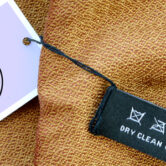
- Finish like a retail brand. Woven neck labels, care labels, hang tags and branded packaging are what make a first order look like a brand instead of a blank.
Checklist: How to Vet an Activewear Manufacturer USA
Use this before you pay for a single sample. Every “no” is a risk you would otherwise discover on bulk day.
- Offers low minimums per style, and says what “low” means in units
- Shares fabric specs: fibre content, GSM, stretch recovery and opacity
- Sends a physical sample before bulk and allows fit changes
- Supports private label gym wear: your labels, hang tags and packaging
- Gives a written timeline for sampling, production and shipping
- Inspects quality before dispatch and shares the findings
- Answers questions in plain language within one business day
- Holds recognised standards, such as OEKO-TEX, for the fabrics it uses
Seven or more ticks means a serious partner. Fewer than five, keep looking.
Case Study: What Gymshark’s Growth Teaches New Gym Brands
Gymshark began in 2012, when school friends Ben Francis and Lewis Morgan, both 20 and at university, started selling online. In 2013 Francis began making apparel himself in his parents’ garage, using a sewing machine and screen printer bought with £1,000 of savings. That year the brand sold out of all its stock on the first day at the BodyPower show in Birmingham, and its Luxe tracksuit went viral. Once revenue hit £250,000, the founders left university to work on it full time. In 2020, General Atlantic bought a 21% stake for £275 million, valuing the company at over £1 billion (source: Wikipedia).
What it means for your brand: a garage can prove demand, but it cannot supply a growing range. Gymshark’s pattern was small drops, fast sell-outs, then scale. A manufacturer with low minimums lets you copy the first half of that curve without a warehouse of unsold stock, and a sportswear manufacturer with real capacity helps you survive the second half.
Frequently Asked Questions
What is the minimum order for custom activewear?
It depends on the method. Cut-and-sew usually has the lowest minimums, while seamless knitting usually needs higher volumes. Ask for the minimum per style and per colour, not a blended total. The Apparel Partner supports low-MOQ runs so startups can test a range before scaling.
How long does custom activewear take to produce?
Plan for several weeks of sampling and several more for bulk production, depending on fabric availability and decoration method. Ask for a written timeline covering sampling, production and shipping, and add a buffer before any launch date.
What is the difference between a sportswear manufacturer and a custom activewear manufacturer?
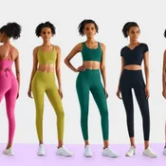
A sportswear manufacturer often makes team kits and general sports apparel. A custom activewear manufacturer specialises in performance gym wear built to your own designs, such as leggings, sports bras and training tops. Many do both, so check their fabric range.
Which fabric is best for gym wear?
Nylon-spandex blends feel soft and suit leggings and sports bras. Polyester-spandex dries faster and holds sublimated prints. Both can be moisture-wicking fabric, so choose by the garment’s job, then test opacity and stretch recovery.
Can I get private label gym wear with my own labels and packaging?
Yes. A good manufacturer adds woven labels, care labels, hang tags and custom packaging to your order, so garments arrive retail-ready under your brand name.
Ready to build your range? The Apparel Partner works with gym brands in the USA and UK, from tech pack to delivery. Share your designs and we will recommend the method and fabric that fit.