Custom Hat Manufacturing: Styles, Materials & MOQs Explained
Custom hat manufacturing comes down to three decisions: the style (snapback, dad hat, trucker, fitted or bucket), the material (cotton twill, brushed cotton, polyester, nylon or mesh), and the decoration (flat embroidery, 3D puff, patches). Your MOQ then depends on how custom you go. As a general industry range, blank-based programs can start at roughly 12 to 50 pieces, while fully custom cut-and-sew caps from a custom hat manufacturer usually start at around 100 to 500 pieces per style and colour. Exact numbers vary by factory, so always get them in writing.
The rest of this guide shows you how to choose each option without wasting a sample round.
Why Headwear Is Worth Getting Right
Headwear is one of the lowest-risk entry points into apparel. Grand View Research valued the headwear market at about USD 7.8 billion in 2025 and projects growth to USD 12.7 billion by 2033, with caps holding roughly 30 percent of revenue. The same report points to rising demand for customised caps with embroidered logos and limited-edition artwork, which is exactly the lane small brands compete in.
A cap is also a brand billboard. It sits at eye level, photographs well, and ships flat-ish and light. That is why many founders add a custom cap manufacturer to their supply chain right after their first tee or hoodie.
Step 1: Choose Your Hat Style
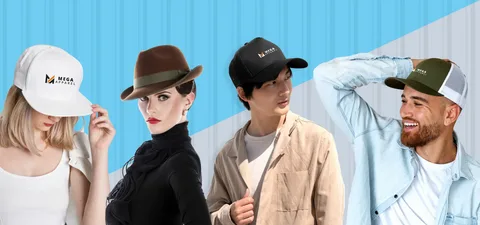
Style decides your silhouette, your fit and your customer. Before you brief a factory, match the style to your audience:
| Style | Crown structure | Closure | Best for | Brand vibe |
| Snapback | Structured, flat or curved brim | Plastic snap | Streetwear, sports, merch | Bold, urban |
| Dad hat | Unstructured, low profile | Strap and buckle | Lifestyle, boutique brands | Relaxed, vintage |
| Trucker | Foam front, mesh back | Snap | Outdoor, workwear, festival merch | Retro, casual |
| Fitted | Structured, sized | None (sized) | Sports, premium streetwear | Heritage, premium |
| Bucket | Soft, brimmed all round | None | Fashion, summer drops | Trend-led |
| 5-panel camper | Flat front panel, unstructured | Strap | Outdoor, skate, indie | Minimal, creative |
Expert tip: if you are launching your first hat, start with a dad hat or a snapback. Both are forgiving on fit, and a single adjustable size removes the sizing headaches that come with fitted caps.
Step 2: Pick the Right Material
Fabric controls comfort, structure, price and how your embroidery looks. Here is how the common options compare:
| Material | Feel and look | Pros | Watch out for |
| Cotton twill | Classic, matte, woven | Embroiders cleanly, durable, widely available | Can feel warm in summer |
| Brushed cotton | Soft, slightly faded | Worn-in look from day one | Colours can look muted |
| Polyester | Smooth, slightly shiny | Colour-fast, moisture resistant | Less premium handfeel |
| Nylon | Lightweight, technical | Water resistant, sporty | Needs the right embroidery setup |
| Corduroy or wool blend | Textured, seasonal | Premium autumn and winter feel | Higher cost, limited colours |
| Mesh (trucker back) | Breathable | Cool, light, budget-friendly | Not suited to full-fabric decoration |
Two details that rarely appear in competitor guides but matter on the factory floor:
- Buckram and foam: structured caps use buckram (stiffened cotton) or foam fronts to hold their shape. Cheaper stiffeners can curl or collapse after a few washes, so ask what is inside the front panels.
- Sweatband and lining: this is where comfort is won or lost. Cotton or moisture-wicking sweatbands cost slightly more, but they are what customers actually feel.
Step 3: Decide How You Will Decorate It
Decoration is where your cap becomes your cap. The four most common techniques:
- Flat embroidery: the default. Crisp, durable and cost-effective for logos with fine detail.
- 3D puff embroidery: foam under the stitching makes the logo rise off the cap. It is bold and tactile, but works best on simple shapes and thicker lettering.
- Woven or leather patches: sewn or heat-applied for a premium, labelled look.
- Rubber or PVC patches: modern, waterproof and popular with outdoor and streetwear brands.
A practical rule: keep fine text above roughly 5 mm tall for flat embroidery, and avoid thin lines under 1.5 mm for puff. Factories digitise your artwork into a stitch file, and tiny details simply fill in.
MOQs Explained: What You Can Realistically Order
MOQ (minimum order quantity) is where most first-time brands get surprised. It is driven by fabric minimums, colour dye lots, set-up time for each embroidery file, and production line efficiency. For a deeper look at how MOQs work across all apparel, see our guide to what MOQ means in clothing manufacturing.
Here are the three routes most brands choose from. Ranges are typical industry figures, not guarantees:
| Route | Typical MOQ | Typical lead time | Customisation level |
| Blank caps with embroidery or patch added | About 12 to 50 pieces | 2 to 4 weeks | Low to medium |
| Semi-custom (your colours, labels, trims) | About 100 to 300 pieces | 4 to 8 weeks | Medium to high |
| Full custom cut-and-sew (own shape and fabric) | About 300 to 1,000+ pieces | 8 to 12 weeks | Complete |
A hat manufacturer USA based will often deliver faster and communicate in your time zone, but unit costs are usually higher than overseas production. If you plan to label products as Made in USA, remember the FTC requires that the product be “all or virtually all” made in the United States, so confirm where fabric and components originate.
How to Work With a Custom Hat Manufacturer: 6 Steps
- Write a one-page brief. Style, fabric, colours, logo placement, target quantity and target price.
- Send vector artwork. AI, EPS or SVG files with Pantone references, so the factory can digitise accurately.
- Request a pre-production sample. Expect to pay for it and wait 2 to 3 weeks. It is the cheapest insurance you will ever buy.
- Test the sample properly. Wear it, wash it, bend the brim, and check the logo from three feet away.
- Confirm the production terms. Price per unit, MOQ per colour, payment terms, lead time and packaging.
- Inspect before shipping. Check stitching, logo placement and size consistency on a random sample of the batch.
Expert tip: the biggest cost-saver in headwear is consolidating colours. Ordering 300 caps in one colour is almost always cheaper per unit than 100 caps in three colours.
Case Study: Cutting a First Hat Order Down to Size
A streetwear startup wanted five cap colours at 100 pieces each, with 3D puff on a thin script logo. The factory quoted a high price per unit and flagged the puff as risky.
After a sample round, the brand made three changes: it simplified the logo into thicker lettering, moved to flat embroidery on the front with a small puff accent, and ordered two core colours at 250 pieces each. The result was a lower unit cost, cleaner stitching and a sell-through that justified a restock with a third colour.
Lesson: fewer colours, simpler artwork and a tested sample beat ambitious first orders almost every time.
Custom Hat Order Checklist
- Style chosen and matched to my customer
- Fabric, buckram or foam, and sweatband specified
- Vector artwork with Pantone colours ready
- Decoration method picked, with minimum detail sizes checked
- MOQ confirmed per style and per colour, in writing
- Pre-production sample approved
- Lead time and shipping terms agreed
- Branding details covered, such as woven labels and hang tags
- Quality inspection plan in place
- Country-of-origin claims verified
Conclusion
Successful custom hat manufacturing is less about finding the cheapest quote and more about making three clear choices: the right style, the right fabric and a decoration that survives real stitching. Start simple, validate with a sample, and scale colours and styles once the first drop sells. Work with a custom hat manufacturer who explains trade-offs openly, because transparency on MOQs, lead times and materials is the strongest sign of a reliable partner.
Frequently Asked Questions
What is the minimum order quantity for custom hats?
MOQs for custom hats typically range from about 12 to 50 pieces for blank caps with added embroidery, and from 100 to 500 or more for fully custom designs. The MOQ depends on the manufacturer, fabric, number of colours and decoration method.
What is the best material for custom caps?
Cotton twill is the most popular choice because it is durable, comfortable and embroiders cleanly. Polyester and nylon suit sporty, moisture-resistant caps, while mesh works for breathable trucker backs.
How long does custom hat manufacturing take?
Blank-based orders often take 2 to 4 weeks, while fully custom caps can take 8 to 12 weeks including sampling. Complex decoration and multiple colours add time.
What is the difference between a snapback and a dad hat?
A snapback has a structured crown, a flat or curved brim and a plastic snap closure. A dad hat is unstructured, lower in profile and uses an adjustable strap, giving a softer, more relaxed look.
How do I choose a reliable custom cap manufacturer?
Look for clear MOQ and lead-time terms, paid pre-production samples, a portfolio of similar work and transparent communication. Ask about materials, quality checks and country of origin before placing a bulk order.