How to Start a Clothing Brand: The Complete Manufacturing Guide for Startups
To start a clothing brand, identify your target customers, choose a profitable product niche, develop your designs, find a reliable manufacturer, order samples, calculate production costs, and launch with a manageable inventory. The smartest approach is to validate demand before committing to bulk production, so you can protect your budget while building a brand customers actually want to wear.
For first-time founders, choosing the right clothing manufacturer for startups is one of the most important decisions in this process. Your manufacturing partner influences fabric quality, minimum order quantities (MOQs), production timelines, sizing consistency, and ultimately your profit margins. This guide explains how to move from an initial clothing concept to your first production run, including practical cost calculations, manufacturer comparisons, quality checks, and launch strategies.
1. Define Your Clothing Brand Before Designing Products
A common mistake among new apparel founders is designing an entire collection before understanding who will buy it.
Your first task is to identify a specific customer and a problem your clothing will solve. For example, rather than launching another general streetwear label, you could develop heavyweight oversized T-shirts for customers who want structured fits without luxury pricing.
Start by answering four questions:
- Who is your customer? Define their age range, shopping habits, style preferences, and spending expectations.
- What makes your clothing different? Consider fit, fabric quality, functionality, design, or a distinctive aesthetic.
- What price can your customer afford? Research comparable products and their retail prices.
- Why would someone choose your brand? Identify a benefit that established competitors aren’t delivering well.
A clear brand position makes decisions about manufacturing, pricing, packaging, and marketing significantly easier.
Validate Demand Before Investing
Before placing a production order, test whether potential customers are interested in your concept.
Create product mockups, gather feedback from your intended audience, study competing brands, and consider building a landing page to collect early interest.
Social media engagement can reveal which designs attract attention, but actual preorders or purchase commitments provide stronger evidence of demand.
Practical tip: Begin with one hero product rather than launching ten unrelated styles. A focused collection makes sampling, quality control, inventory management, and marketing easier.
2. Choose the Right Clothing Manufacturing Model
Understanding manufacturing options is essential when learning how to start a clothing brand.
Most startups choose between print-on-demand, private label, and custom cut-and-sew manufacturing.
| Manufacturing model | How it works | Best suited for | Main limitation |
| Print-on-demand | Designs are printed on existing garments after customers order | Testing graphics with limited inventory | Limited control over fit and garment construction |
| Private label | Existing garment styles are customized with your branding | Startups seeking a faster launch | Less product differentiation |
| Custom cut-and-sew | Garments are developed from your specifications | Brands creating unique fits and products | Higher development complexity and upfront investment |
Which Manufacturing Model Should You Choose?
If you’re testing whether customers like your designs, print-on-demand can reduce inventory risk.
If you want branded garments without developing every detail from scratch, private label manufacturing may provide a practical middle ground.
However, if your competitive advantage depends on unique silhouettes, fabric blends, or construction details, custom manufacturing gives you greater creative control.
The right model depends on your product differentiation, available capital, and acceptable financial risk—not simply which option has the lowest unit price.
3. Create a Tech Pack That Manufacturers Can Actually Use
A beautiful clothing sketch isn’t enough to produce a consistent garment.
Manufacturers need precise specifications to understand how your product should look, fit, and function.
A tech pack is the document that translates your design into manufacturing instructions.
Essential Tech Pack Checklist
Production-Ready Tech Pack
- Front and back technical drawings
- Fabric composition, weight (GSM), and color references
- Garment measurements and size chart
- Stitching, seams, trims, and construction details
- Artwork, embroidery, and print placement
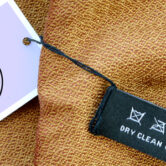
- Neck labels, care labels, and packaging instructions
- Fit tolerances and quality requirements
For example, describing a T-shirt as “oversized” leaves considerable room for interpretation. Specifying chest width, body length, shoulder drop, and sleeve opening gives the factory measurable production requirements.
A detailed tech pack reduces misunderstandings, unnecessary sample revisions, and avoidable production errors.
4. Find a Reliable Clothing Manufacturer
Choosing a manufacturing partner is not simply about finding the lowest quotation.
An experienced custom clothing manufacturer USA brands can work with—or an overseas supplier serving the US market—should be evaluated against the same fundamental criteria: product expertise, communication, quality standards, production capacity, and commercial terms.
Questions to Ask Before Selecting a Factory
- What garments do you specialize in manufacturing?
- What are your minimum order quantities per style and color?
- Can you develop samples from technical specifications?
- What are your sampling and bulk production lead times?
- How do you inspect finished garments?
- What happens when products fail agreed quality standards?
- Can you provide a written breakdown of costs and payment terms?
Domestic vs. Overseas Manufacturing
Domestic production may simplify communication, factory visits, and certain shipping arrangements. Overseas production can offer access to specialized factories and competitive manufacturing costs, but may involve longer transportation times and additional import requirements.
Neither option guarantees better quality.
Compare suppliers using their total landed cost, sample quality, reliability, and ability to meet your specifications.
Avoid placing a large order until you have evaluated an approved physical sample.
5. Understand Clothing Manufacturing Costs and MOQs
One of the biggest challenges for startup clothing brands is balancing production costs with limited starting capital.
A manufacturer may offer a lower price per garment when you order larger quantities. However, producing more units also increases your inventory risk.
Example: How Order Quantity Affects Your Budget
The following figures are hypothetical planning examples, not verified factory quotations.
| Order quantity | Estimated unit cost | Total production cost |
| 50 pieces | $16 | $800 |
| 100 pieces | $12 | $1,200 |
| 300 pieces | $9 | $2,700 |
| 500 pieces | $7.50 | $3,750 |
Ordering 500 garments produces the lowest unit cost in this example, but it also requires significantly more upfront capital.
For a new brand without proven demand, ordering 100 pieces may be financially safer.
6. Order Samples Before Starting Bulk Production
Sampling is where your clothing concept becomes a physical product.
A professional apparel manufacturing process typically involves an initial prototype, fit evaluation, revisions, and a final approved sample.
Check fabric feel, garment measurements, stitching, print durability, shrinkage, and overall construction.
For example, a sweatshirt might look excellent before washing but shrink beyond acceptable measurements afterward.
Test garments under realistic conditions rather than approving them based only on appearance.
Never approve bulk production until the manufacturer has confirmed the final specifications and you have accepted the production sample.
7. Plan Production, Quality Control, and Delivery
After sample approval, confirm the production schedule and commercial terms in writing.
Your production agreement should specify garment quantities, size breakdowns, colors, materials, delivery expectations, inspection standards, and procedures for defective products.
Quality control should happen during production, not only after every garment has been packed.
Inspect representative garments for measurement consistency, fabric defects, stitching quality, labeling, and finishing.
Before shipment, verify the packing list, carton quantities, and applicable shipping documents.
For US sales, also check relevant apparel labeling and regulatory requirements, including fiber content, care instructions, country-of-origin labeling, and any product-specific rules.
8. Launch Your Clothing Brand Without Overinvesting
Manufacturing your first collection is an important milestone, but launching successfully requires a plan for reaching customers.
Build anticipation while production is underway through product photography, behind-the-scenes content, email signups, and audience engagement.
Start with a focused product offering and communicate exactly what makes it valuable.
Track conversion rates, customer feedback, returns, and which sizes or designs sell fastest.
These insights should influence your second production order.
Rather than expanding immediately into multiple categories, improve your best-performing products and build a repeatable sales process.
9. Common Clothing Brand Startup Mistakes
New founders can reduce unnecessary expenses by avoiding these mistakes:
- Ordering excessive inventory before validating demand.
- Selecting manufacturers based only on low prices.
- Beginning production without detailed tech packs.
- Skipping sample revisions and wash testing.
- Ignoring shipping, marketing, and fulfillment costs.
- Launching too many styles simultaneously.
- Failing to establish quality standards before production.
The most successful manufacturing strategy is not necessarily the one that produces the most garments. It’s the one that helps you deliver a product customers want while maintaining control over quality, cash flow, and inventory.
Conclusion
Learning how to start a clothing brand is ultimately about making a series of informed decisions, from identifying your customers to approving your first production sample.
You don’t need a massive collection or the lowest manufacturing price to build a promising business. You need a product with genuine demand, a dependable production process, realistic financial planning, and a clear reason for customers to choose your brand.
Start small, test carefully, improve from real customer feedback, and expand when the numbers support it.
Frequently Asked Questions
1. How much money do you need to start a clothing brand?
Startup costs depend on your manufacturing model, product complexity, and inventory quantity. Print-on-demand can require relatively little upfront inventory investment, while custom manufacturing usually requires a larger budget for development, sampling, and bulk production.
2. Can I start a clothing brand without manufacturing experience?
Yes. You can start a clothing brand without manufacturing experience by learning basic garment specifications, developing a clear product concept, and working with an experienced manufacturer. Understanding sampling, fabric selection, sizing, and quality control will help you make informed decisions.
3. What is the minimum order quantity for custom clothing?
Minimum order quantities vary by manufacturer, garment type, material, and customization requirements. Some factories accommodate small production runs, while others require hundreds of pieces per style or color. Always confirm the MOQ before beginning product development.
4. How long does it take to manufacture a clothing collection?
Manufacturing timelines depend on design complexity, fabric availability, sample revisions, production capacity, and shipping arrangements. Custom garments generally require more development time than existing private-label styles. Request a written production schedule from your manufacturer.
5. Is private label or custom manufacturing better for startups?
Private label manufacturing is often suitable for startups seeking faster product launches with fewer development requirements. Custom manufacturing is better when unique garment construction, fabric specifications, or distinctive fits are central to the brand’s identity.